
Post 55: Do the Gains From Fascia Therapy Last? Here's What I've Seen
What Happens When You Stop?
Somewhere in the back of your mind, there's probably a quiet fear attached to all of this: what if life gets in the way and I have to stop — even for a while — and everything we've built just disappears?
It's a fair thing to wonder. You've watched effort fade before. A skill your child worked hard on slips a little when practice pauses. So it makes sense to assume fascia work follows the same rule: keep going forever, or lose it.
I want to walk you through why that's not actually how this works.
The Fear Underneath the Fear
For a lot of the parents I work with, this isn't really a question about fascia. It's a quieter question about whether they're allowed to have a life — get sick, travel, care for another child, simply rest — without paying for it later with their child's progress. That's a heavy thing to carry alongside everything else.
If you've felt that pressure to never miss a day, I want you to exhale a little. What I'm about to explain isn't permission to be inconsistent. It's a different understanding of what the work is actually doing.
We're Not Training a Skill — We're Rebuilding a Structure
Most therapy is built around training: practice a movement enough times, and the nervous system gets better at producing it. Stop practicing, and that skill can fade, the way any of us get rusty at something we stop doing.
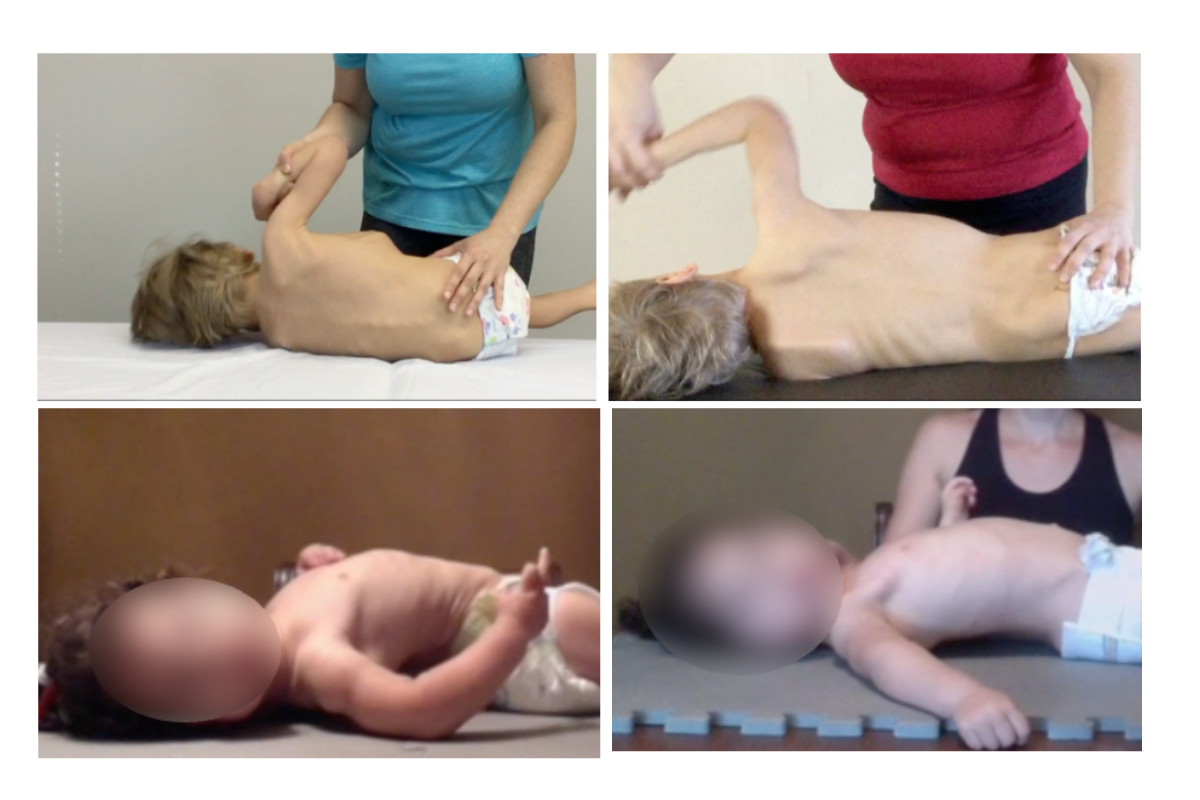
Fascia work is doing something different. Fascia — that connective web running through your child's whole body — needs a certain density of connection to hold everything in good relationship: ribs to abdomen, pelvis to spine, shoulder to torso. In many children with cerebral palsy or other neuromuscular conditions, that web is under-connected in places, which is part of what we see show up as tightness, collapse, or compensations.
The gentle, specific input we do — what I often call small movements to feed fascia — invites the cells inside that tissue (the fibroblasts) to build new connections. That's a structural change, not a rehearsed skill. Once those connections exist, your child's body has something it didn't have before: a more complete, better-organized structure.
Why It Doesn't Just Fade
Here's the part that tends to bring real relief. None of us — including you, including me — need ongoing manual fascia therapy to stay healthy. A well-connected fascial system maintains itself through the most ordinary things a body does every day: breathing and moving. Every breath your child takes is quietly continuing to organize and remodel that tissue, the same way it does for all of us. I've written more about just how much breath alone contributes to this in how breath continues the work after you stop.
So once the structure is in a better place, your child's own breathing and movement become the maintenance system — not you, and not a strict daily routine you can never miss.
A Family Who Paused — and What Was Still There
I had a family return to TheraParent recently after being away for more than a year. They'd been with me from the very beginning, worked consistently for a year and a half, and then life happened — another family need took over, and the structured work simply stopped.
When we reconnected, I expected we'd be starting over in some ways. We weren't. The changes she'd gained — better connection between her ribs and her abdomen, a noticeably easier breath, more organized movement through her torso — were still there. We reassessed to see where things stood, adjusted the plan, and picked up from a real, current starting point. Nothing had quietly unraveled while she was away.
This isn't unusual. I've seen it again and again with families who've had to step back for a season — a sibling's surgery, an illness, simply needing to breathe themselves for a while. The structural gains tend to hold. What we're rebuilding isn't fragile in the way a recently learned skill is.
A Shift Worth Sitting With
If you're someone who has been pushing through exhaustion because you're afraid that any pause will cost your child everything you've built together — I want to gently challenge that belief. The goal of this work was never to make you indispensable forever. It was to help your child's own body get to a place where it can hold onto what you've built. That's a very different kind of trust to live inside. I wrote more about what it looks like to lean into that trust in stop fixing, start trusting.
If You Need to Step Back
If you're in a season right now where consistency simply isn't possible — your own health, another child's needs, plain exhaustion — that doesn't erase the ground you've already covered. I've written separately about needing to step back for a season as its own real, valid part of this journey. When you're able to return, you return to reassess and continue — not to start from zero.
Something to Sit With
If fear of losing progress has been driving how hard you push yourself, ask: what would change if I trusted that the structure we're building is meant to hold, even through a pause?
Ready to Start?
Take your first step into fascia therapy with our short, parent-friendly workshop:
The #1 Fascia Therapy To Improve Torso Control. I teach you the first exercise and how to make the binder so you can help your child today.
Gentle, effective, and easy to begin—no experience needed.
Want to Go Deeper?
If you’re ready to fully embrace this gentle approach and receive personalized support, apply for TheraParent Coaching—our therapeutic coaching program designed for dedicated parents like you.
Includes weekly calls, a tailored plan, and a supportive community.
Apply here – it’s free to explore.
Stay connected and inspired every week.
Subscribe to our weekly blog updates and receive new posts, encouragement, and fascia therapy tips right in
your inbox. So never miss the support and ideas that can make a difference in your journey.
